/filters:format(jpeg,png)/fit-in/300x300/guide_websites/187/images/17594136611915f99a8c3818e78b8bd7508f2_madisonvalleyranch_logo-round-1.png)
/filters:format(jpeg,png)/fit-in/237x80/guide_websites/187/images/17594136611915f99a8c3818e78b8bd7508f2_madisonvalleyranch_logo-round-1.png)
//users/e68db3b2-b743-41a7-bfde-84d123f9e3d5/ratecard/marlin.png)
%2Ffit-in%2F300x300%2Fusers%2Fe68db3b2-b743-41a7-bfde-84d123f9e3d5%2Fratecard%2Fmarlin.png&w=256&q=75)
%2F300x300%2Fusers%2Fe68db3b2-b743-41a7-bfde-84d123f9e3d5%2Fimages%2Fmajestic-outdoors-ny-2449.jpg&w=256&q=75)
%2F300x300%2Fusers%2F82c7d53d-589d-423b-9e8b-f4f2c568a2a6%2Fimages%2Fgray-angelfish-coral-reef-adventure-5637.png&w=256&q=75)
%2F300x300%2Fusers%2F82c7d53d-589d-423b-9e8b-f4f2c568a2a6%2Fimages%2Fcolorful-coral-reef-tropical-fish-3245.png&w=256&q=75)
%2F300x300%2Fusers%2F82c7d53d-589d-423b-9e8b-f4f2c568a2a6%2Fimages%2Fstriped-fish-ocean-boat-catch-8180.png&w=256&q=75)
%2F300x300%2Fusers%2F82c7d53d-589d-423b-9e8b-f4f2c568a2a6%2Fimages%2Fspotted-trout-magnolia-st-fishing-2923.png&w=256&q=75)
%2F300x300%2Fusers%2F82c7d53d-589d-423b-9e8b-f4f2c568a2a6%2Fimages%2Fspotted-trout-catch-magnolia-dock-2891.png&w=256&q=75)
%2F300x300%2Fusers%2F82c7d53d-589d-423b-9e8b-f4f2c568a2a6%2Fimages%2Fspotted-fish-red-lure-magnolia-3267.png&w=256&q=75)
%2F300x300%2Fusers%2F82c7d53d-589d-423b-9e8b-f4f2c568a2a6%2Fimages%2Fmagnolia-st-dock-water-sports-4443.png&w=256&q=75)
%2F300x300%2Fusers%2F82c7d53d-589d-423b-9e8b-f4f2c568a2a6%2Fimages%2Flarge-trout-rocky-shore-catch-9929.png&w=256&q=75)
%2F300x300%2Fusers%2F82c7d53d-589d-423b-9e8b-f4f2c568a2a6%2Fimages%2Ffishing-magnolia-st-fishing-dock-10100.png&w=256&q=75)
Costa Rica Offshore Marlin Charter Fly To Fish
 Everglades City, FL
What you will be catching:
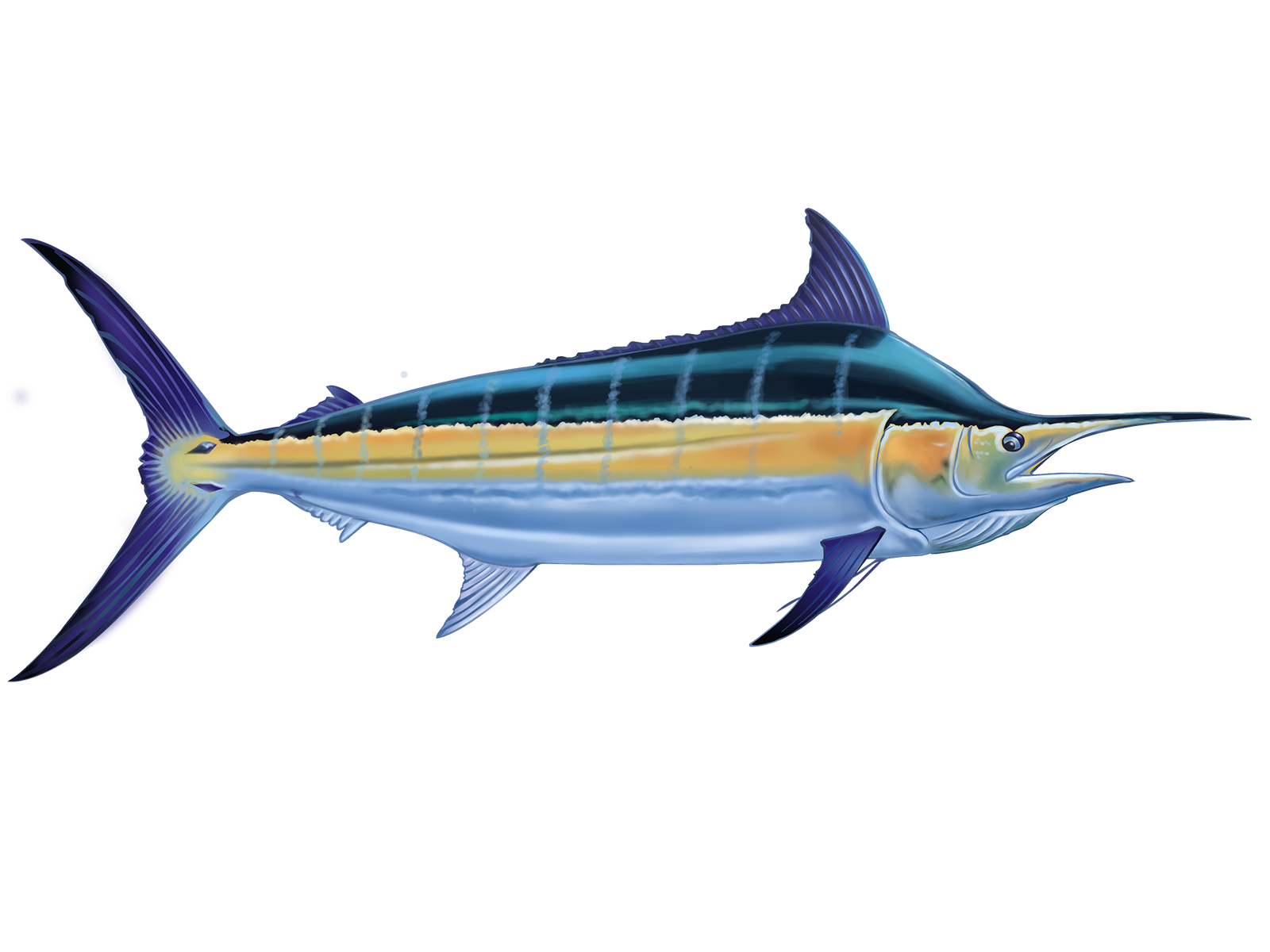 Black Marlin
 Blue Marlin
 Striped Marlin
- Target trophy Marlin in Costa Rica's upper Pacific waters
- Professional offshore charter accommodates up to four guests
- Fly To Fish Guide Service provides expert fishing guidance
Trip Pricing and Availabilities :
Costa Rica Offshore Marlin Fishing Charter
Picture this: You're miles off the Costa Rican coast, the Pacific stretching endlessly in every direction, when suddenly your outrigger starts screaming and a massive marlin launches itself skyward in a shower of spray. That's exactly what you're signing up for with our offshore charter out of Costa Rica's upper Pacific waters. This isn't your typical day of fishing – we're talking about some of the most productive marlin grounds in Central America, where billfish action can happen any time of year. With space for up to four anglers, you'll have plenty of room to work without bumping elbows when the bite gets hot. The Costa Rican waters off places like Tamarindo, Flamingo, and the Papagayo Peninsula are legendary for a reason, and once you've felt that first marlin hit, you'll understand why serious anglers keep coming back season after season.
What to Expect on the Water
Your day starts early – we're talking first light departure to maximize our time in the prime fishing zones. The run out to the blue water typically takes 30 to 45 minutes, depending on conditions and where the fish have been showing up. Don't worry about bringing your own tackle; we've got everything dialed in with heavy-duty conventional reels spooled with 50 to 80-pound test, matched to rods that can handle the punishment a big marlin dishes out. The boat comes equipped with a full spread of outriggers, downriggers, and all the terminal tackle you'll need. Costa Rica's offshore scene is all about covering water and reading the signs – temperature breaks, current lines, bird activity, and bait schools. We'll be trolling a mix of lures and live bait, constantly adjusting our spread based on what we're seeing out there. The Pacific here has this amazing drop-off structure where the continental shelf plunges into deep water relatively close to shore, creating perfect marlin habitat. When we hook up, everyone on board becomes part of the team – clearing lines, grabbing the camera, and coaching each other through what might be the fish of a lifetime.
Trolling Tactics & Tackle
Offshore fishing here is all about presentation and persistence. We run a full trolling spread with a combination of large lures – think big marlin jets, cedar plugs, and ballyhoo rigs that mimic the flying fish and bonito these billfish love to eat. The key is varying your depths and speeds to cover the entire water column. We'll typically run two lines on the outriggers, maybe a couple more off the transom, and sometimes a deeper line on the downrigger if we're marking bait down there. The tackle setup is straightforward but bulletproof – 50W or 80W class reels with smooth, reliable drags that can handle long, blistering runs. When you're dealing with fish that can hit 40 miles per hour and weigh several hundred pounds, there's no room for equipment failure. The rods are matched accordingly – stout but with enough give to absorb the shock of a jumping marlin. Circle hooks are the standard here, both for conservation reasons and because they dramatically improve your hookup ratio. The beauty of fishing Costa Rica's offshore waters is the variety – while we're targeting marlin, you never know when a big dorado, yellowfin tuna, or sailfish might crash the party.
Top Catches This Season
Striped Marlin are the bread and butter of Costa Rica's offshore scene, and for good reason. These fish typically range from 80 to 200 pounds, with the occasional monster pushing 300. What makes stripers so special is their acrobatic ability – when hooked, they'll tail-walk across the surface like they're trying to show off for the cameras. The best time to target them is during the dry season from December through April, when the water is clearest and the bait concentrations are thickest. They're ambush predators that love to work the edges of current breaks and temperature changes, often following schools of bonito and flying fish. The fight is what dreams are made of – long runs punctuated by spectacular jumps, testing both your endurance and tackle to the limit.
Black Marlin represent the heavyweight division of Costa Rican billfish. These bruisers can exceed 500 pounds and are known for their bulldogging, powerful fights rather than the aerial displays of their striped cousins. Blacks are more common during the rainy season from May through November, when warmer water and increased baitfish activity draw them closer to shore. They're the fish that separate the casual anglers from the serious big-game hunters. A large black marlin will test every aspect of your technique – your drag settings, your fighting stance, and your mental game during what can be hours-long battles. They're also less predictable than stripers, often following baits for long distances before committing to the strike.
Blue Marlin are the holy grail of Costa Rican offshore fishing – the species that turns good fishing stories into legendary ones. These oceanic wanderers can reach truly massive proportions, with fish over 400 pounds caught regularly and the potential for true giants always lurking in the deep blue. Blues are present year-round but seem to show up in better numbers during transitional periods when water temperatures and currents are shifting. They're notorious for their intelligence and wariness, often requiring precise bait presentation and infinite patience. When a big blue decides to eat, though, the result is pure chaos – explosive strikes followed by runs that can strip hundreds of yards of line in seconds. They're the reason serious marlin anglers plan entire vacations around single trips.
Time to Book Your Spot
Costa Rica's offshore marlin fishing represents some of the most consistent big-game action in the Pacific, and our four-angler capacity means you'll have the personalized attention needed to make the most of every opportunity. Whether you're a seasoned marlin veteran or someone looking to tick a billfish off your bucket list, these waters deliver the kind of fishing that changes your perspective
Learn more about the animals
Black Marlin
Black marlin are the bulldozers of the billfish world - pure power and attitude. These beasts average 200-400 pounds but can push well over 1,000, with that signature dark blue-black color above the waterline. Unlike other marlins, their pectoral fins don't fold back, making them a bit slower but way more muscular. We target them in the deeper offshore waters, especially around structure and drop-offs where they hunt squid and mackerel. Warm water months bring the best action. What sets them apart is their brutal fighting style - they'll charge the boat, sound deep, then explode on the surface. It's a true test of angler and equipment. Here's the key: use bridled live bait and keep that drag smooth - these fish will find every weak point in your tackle.

Blue Marlin
Blue marlin are the ultimate trophy fish - the heavyweight champions of our offshore waters. Males run 150-350 pounds, but the females are the real prizes, reaching 400-1,000+ pounds (we call those thousand-pounders "granders"). You'll spot them by their bright blue dorsal color and those foldable pectoral fins. We hunt them in the deep blue water beyond the continental shelf, where they follow warm currents and baitfish. Peak season runs year-round here, but spring and summer offer the best shots at bigger fish. What makes them legendary is their aerial show - these fish will jump, tail-walk, and fight for hours. The bigger they are, the more they'll tire, but don't count them out. My advice: rig heavy tackle and use lures that swim true at trolling speed.

Striped Marlin
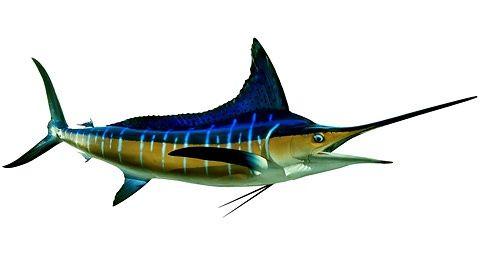
The most beautiful of all marlins, striped marlin are what dreams are made of out here. These torpedo-shaped fighters average 200-400 pounds and stretch up to 11 feet, with those distinctive pale blue stripes that stay bright even after the fight's over. We find them in the warm offshore waters, usually following schools of tuna and sardines. February through August is prime time when they migrate through our Pacific waters. What makes them special? They're acrobatic as hell - jumping, diving, and putting on a show that'll get your heart racing. Their slender build makes them faster than blues, but just as strong. Pro tip: when you see diving birds working baitfish, get your lines ready - striped marlin won't be far behind.
About the Erie Day
%2F%2Fusers%2Fe68db3b2-b743-41a7-bfde-84d123f9e3d5%2Fvehicle_picture%2Fscreenshot2024-02-02at10.44.28am.png&w=1920&q=75)
Vehicle Guest Capacity: 5
Manufacturer Name: Mercury
Maximum Cruising Speed: 50
Number of Engines: 2
Horsepower per Engine: 250