/filters:format(jpeg,png)/fit-in/300x300/guide_websites/187/images/17594136611915f99a8c3818e78b8bd7508f2_madisonvalleyranch_logo-round-1.png)
/filters:format(jpeg,png)/fit-in/237x80/guide_websites/187/images/17594136611915f99a8c3818e78b8bd7508f2_madisonvalleyranch_logo-round-1.png)
//users/e68db3b2-b743-41a7-bfde-84d123f9e3d5/ratecard/driftboat.jfif)
%2Ffit-in%2F300x300%2Fusers%2Fe68db3b2-b743-41a7-bfde-84d123f9e3d5%2Fratecard%2Fdriftboat.jfif&w=256&q=75)
%2F300x300%2Fusers%2Fe68db3b2-b743-41a7-bfde-84d123f9e3d5%2Fimages%2Fbest-great-outdoor-adventure-marathon-2291.jpeg&w=256&q=75)
%2F300x300%2Fusers%2Fe68db3b2-b743-41a7-bfde-84d123f9e3d5%2Fimages%2Fwhoa_look_that_big_803781.png&w=256&q=75)
%2F300x300%2Fusers%2Fe68db3b2-b743-41a7-bfde-84d123f9e3d5%2Fimages%2Ftropical_paradise_ready_adventure_270902.png&w=256&q=75)
%2F300x300%2Fusers%2Fe68db3b2-b743-41a7-bfde-84d123f9e3d5%2Fimages%2Freeled_nice_permit_open_202358.png&w=256&q=75)
%2F300x300%2Fusers%2Fe68db3b2-b743-41a7-bfde-84d123f9e3d5%2Fimages%2Fpeaceful_day_water_578284.png&w=256&q=75)
%2F300x300%2Fusers%2Fe68db3b2-b743-41a7-bfde-84d123f9e3d5%2Fimages%2Ffile-1732038080153-uoh3zb.JPG&w=256&q=75)
%2F300x300%2Fusers%2Fe68db3b2-b743-41a7-bfde-84d123f9e3d5%2Fimages%2Ffile-1732038080150-vwvj4n.JPG&w=256&q=75)
%2F300x300%2Fusers%2Fe68db3b2-b743-41a7-bfde-84d123f9e3d5%2Fimages%2Ffile-1732038080146-jehj74.JPG&w=256&q=75)
%2F300x300%2Fusers%2Fe68db3b2-b743-41a7-bfde-84d123f9e3d5%2Fimages%2Ffile-1732038080144-j3suwn.JPG&w=256&q=75)
%2F300x300%2Fusers%2Fe68db3b2-b743-41a7-bfde-84d123f9e3d5%2Fimages%2Ffile-1732038080141-xxsrqu.JPG&w=256&q=75)
Connecticut Backcountry Trout with Fly To Fish

 Everglades City, FL
What you will be catching:
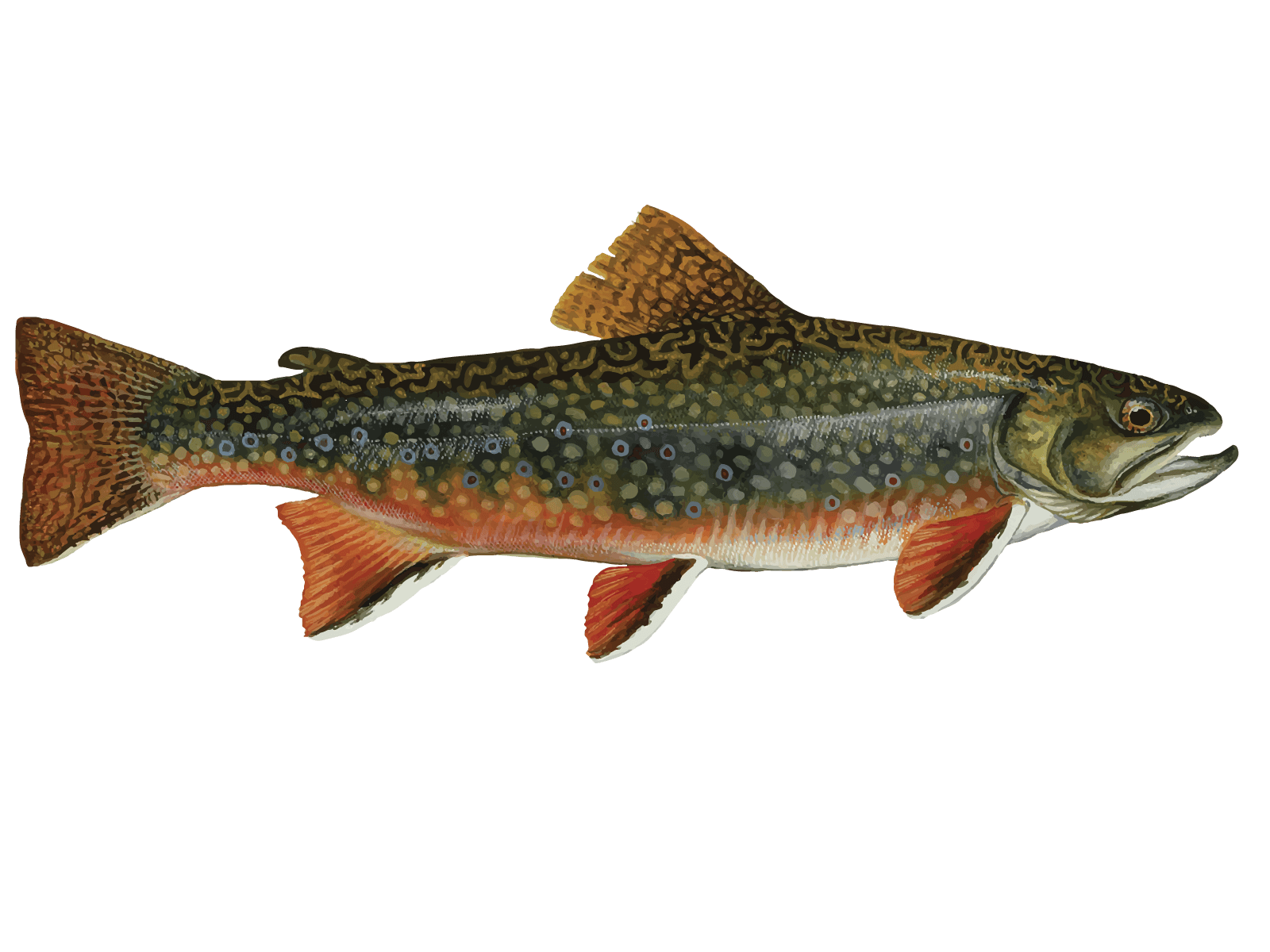
 Brook Trout
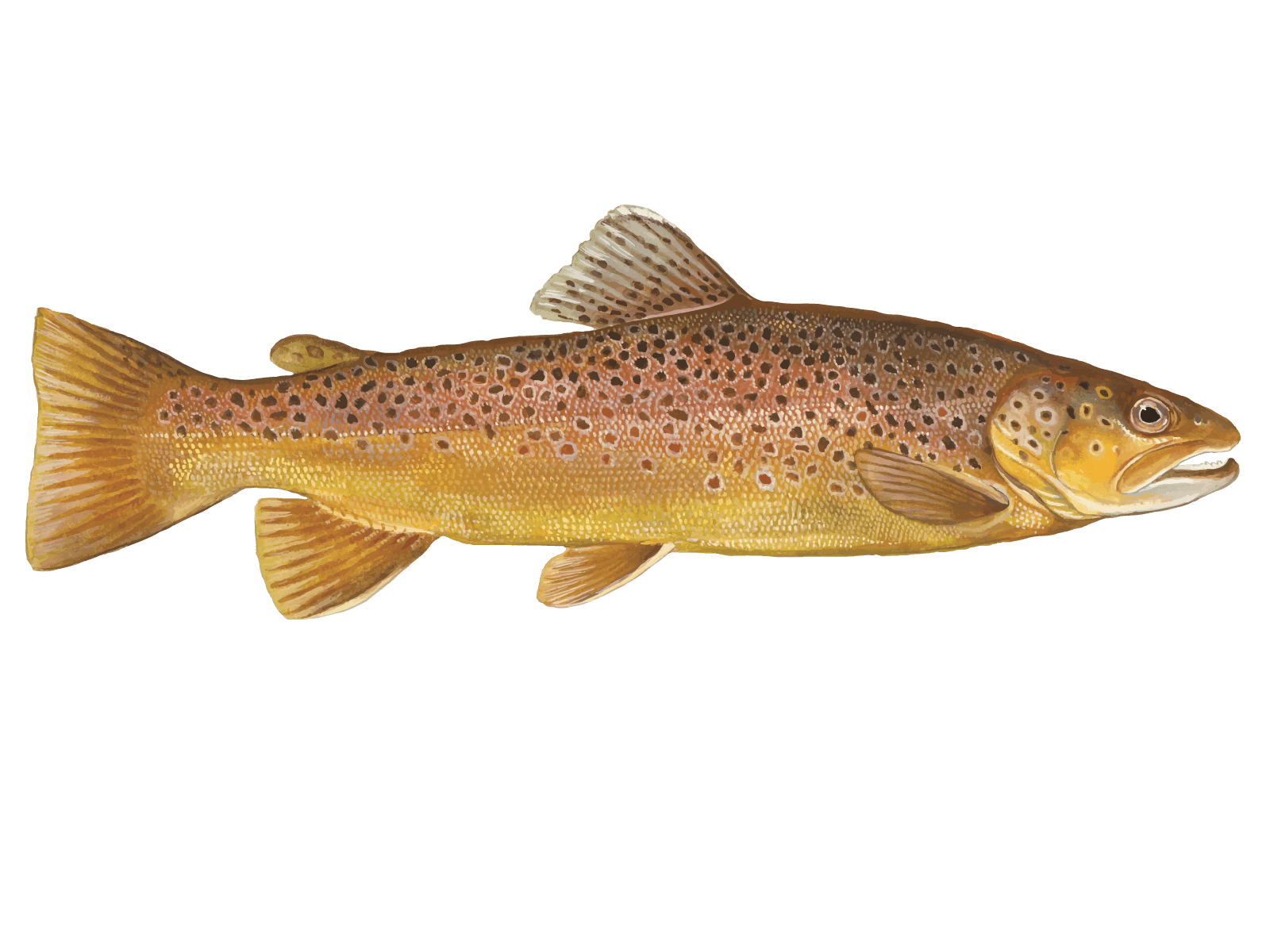
 Brown Trout
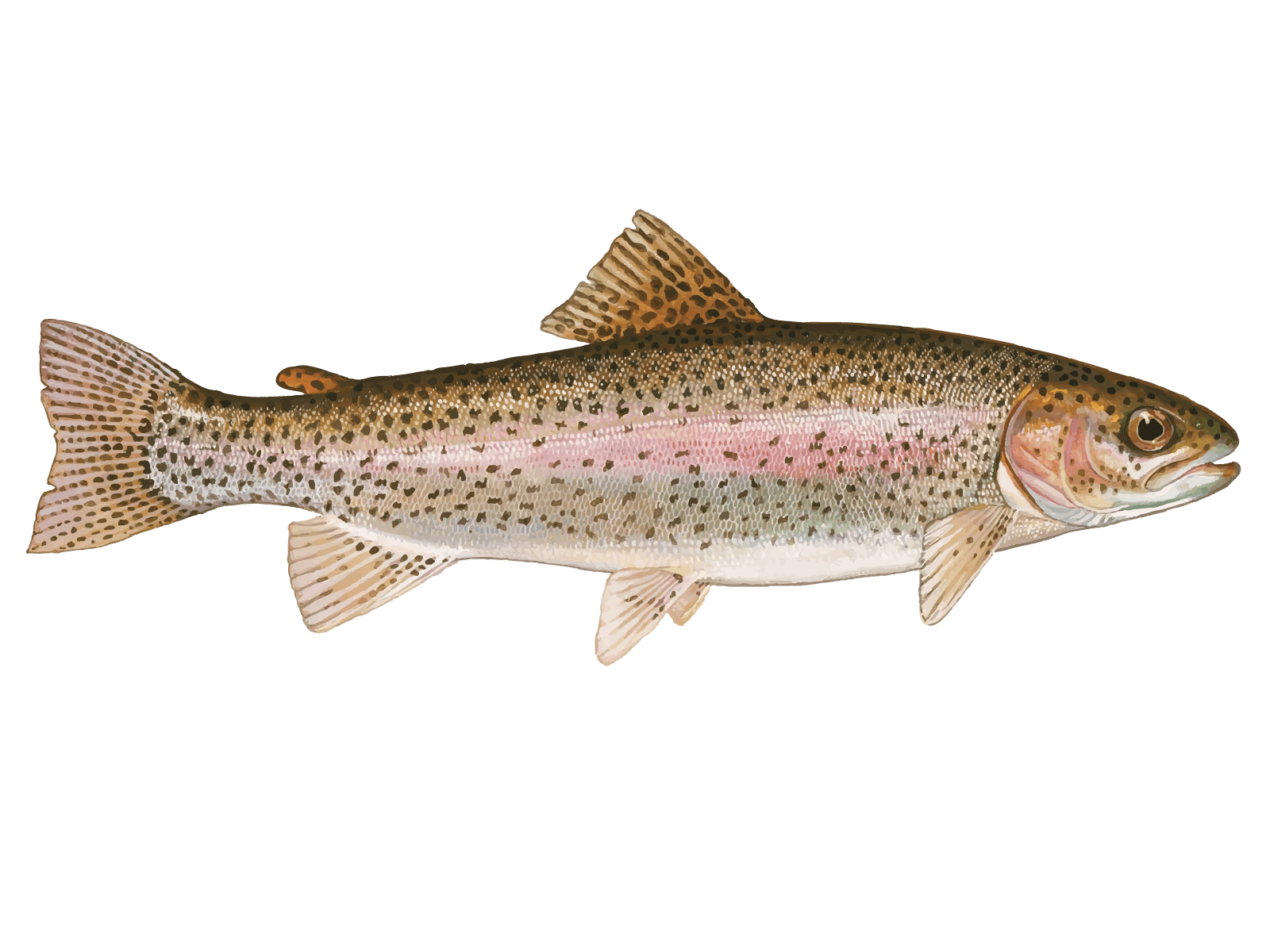
 Rainbow Trout
- Private guided float trips on Connecticut and Androscoggin Rivers
- Target native brook trout in remote tributaries and hidden waters
- Learn local water reading techniques and specialized fly patterns
Trip Pricing and Availabilities :
Back Country Trout Adventure
Looking for something different than your typical guided fishing trip? This back country adventure takes you deep into New England's wild places, where the trout are wilder and the scenery beats anything you'll see from a highway. We'll float either the Connecticut or Androscoggin Rivers, but here's where it gets interesting – we're not just staying in the boat. When I spot the right tributaries, we're pulling over and wading upstream to find those legendary wild brook trout that most anglers only dream about. This is a single-angler trip, so you get my full attention and we can move at whatever pace feels right for the conditions.
What to Expect on the Water
This isn't your standard drift boat experience where you sit back and cast to rising fish. We start with a float down either the Connecticut or Androscoggin, reading the water for prime trout habitat and keeping our eyes peeled for those perfect side channels and tributary mouths. The Connecticut gives us more consistent rainbow and brown trout action, while the Androscoggin tends to surprise us with bigger fish and more varied structure. But the real magic happens when we beach the boat and start hiking. I know dozens of small streams that feed these rivers, and each one tells a different story. Some are boulder gardens where you'll sight-cast to brookies hiding in pocket water. Others are meandering meadow streams where a perfect drift is everything. You'll need to be comfortable walking on uneven terrain and wading through water that might be ankle-deep or up to your knees, depending on what we find.
Techniques & Gear Setup
We'll fish everything from dry flies to streamers depending on what the day brings us. On the main rivers, I usually start clients with nymph rigs – they're productive and help you learn to read the deeper water. But when we hit those tributaries, that's where the real fun begins. Wild brook trout are opportunistic, and I've seen them smash everything from tiny midges to mouse patterns bigger than they are. I provide all the flies and terminal tackle, but you'll want to bring your own rod if you have a preference. A 4 or 5-weight is perfect for this kind of fishing. The wading can be technical in spots – felt-soled boots are ideal, but good rubber soles work too. I always carry a net and will coach you through proper catch-and-release techniques, especially for the native brookies. These fish are precious, and we treat them that way.
Top Catches This Season
Brook trout are the stars of this show, and for good reason. These are New England's only native trout, and when you find them in their natural habitat, they're absolutely gorgeous. The males especially light up during spawning season with colors that'll make you forget all about stocked fish. They're typically 6 to 10 inches in these streams, but don't let the size fool you – they fight like fish twice their weight in fast water. Peak season runs from late spring through early fall, but I've had some of my best brook trout days in September when they're feeding heavily before winter. What makes these fish special isn't just their beauty – it's that they're indicator species. Finding healthy brook trout populations means you're fishing truly pristine water.
Rainbow trout bring a different energy to the mix. The Connecticut River rainbows average 12 to 16 inches and are known for their aerial displays when hooked. They're most active during the cooler parts of the day and absolutely love current breaks and deeper pools. Spring and fall are prime time for rainbows, especially when there's some cloud cover. These fish are smart – they've seen plenty of flies and lures, so presentation matters. But when you connect with a good rainbow in moving water, you'll understand why they have such a devoted following among serious anglers.
Brown trout are the wildcards that can make or break a day. The Androscoggin holds some real bruiser browns, fish that have been around long enough to get selective and spooky. They're primarily active during low light periods – early morning, late evening, and overcast days. I've guided clients to browns pushing 20 inches on this water, fish that required perfect presentations and a lot of patience. Browns are notorious for following flies without committing, then disappearing for hours. But when one finally decides to eat, it's usually a memorable fight. They're strong, smart, and will use every piece of structure in the river to try and break you off.
Time to Book Your Adventure
This back country trip delivers something you can't get anywhere else – access to water that most anglers never see, combined with the expertise to fish it effectively. Whether you're after the pure experience of catching native brook trout in their home water or hoping to land a trophy brown that's been avoiding anglers for years, we'll adapt the day to match your goals and the conditions. The single-angler format means we can spend as much time as you want learning new techniques or exploring different water. Book now to secure your spot for what many clients tell me becomes their most memorable day on the water all season.
Customer Review

Sean Fagan
September 19, 2021
Learn more about the species
Brook Trout
Brook trout are the native gems of these waters, running 8-14 inches on average with stunning olive-green backs dotted with yellow spots and bright orange fins edged in white. These wild fish love cold, clean tributaries where temperatures stay below 68°F - you'll find them tucked under overhanging banks, fallen logs, and boulder pockets. Spring through early summer offers the best action when they're actively feeding on insects and small baitfish. What makes brookies special is their wariness - they spook easily but fight hard for their size. The meat is firm and sweet, some say the best eating of all trout. My tip: approach low and quiet, and cast your fly upstream to drift naturally past their hideouts.
Brown Trout
Brown trout are the craftiest fish in these rivers, averaging 12-20 inches with golden-brown sides covered in black and red spots. These European imports love structure - deep undercut banks, log jams, and boulder gardens where they can ambush prey. Fall is magic time when they feed aggressively before spawn, but they bite year-round if you know where to look. Browns are night hunters by nature, making them challenging but rewarding targets. They're strong fighters that use current to their advantage, and the firm, flaky meat is top-notch eating. Here's what works: fish big streamers like woolly buggers tight to cover during low light. Browns often follow before striking, so don't quit the retrieve until your fly's at your feet.
Rainbow Trout
Rainbows in these rivers typically run 10-18 inches and are known for their acrobatic fights and that distinctive pink stripe along their silver sides. They prefer cooler water around 55-65°F and hang out in faster currents, often near gravelly runs and deeper pools. Spring and fall fishing is prime time, especially during evening hatches when they're surface feeding. What guests love about rainbows is their aggressive nature - they'll chase streamers and hit dry flies with authority, then put on an aerial show once hooked. The pink flesh makes excellent table fare too. Here's a local trick: when the water's running high and murky, try bright egg patterns or san juan worms drifted deep through the pools - rainbows can't resist them.
Had a phenomenal day out on the water!